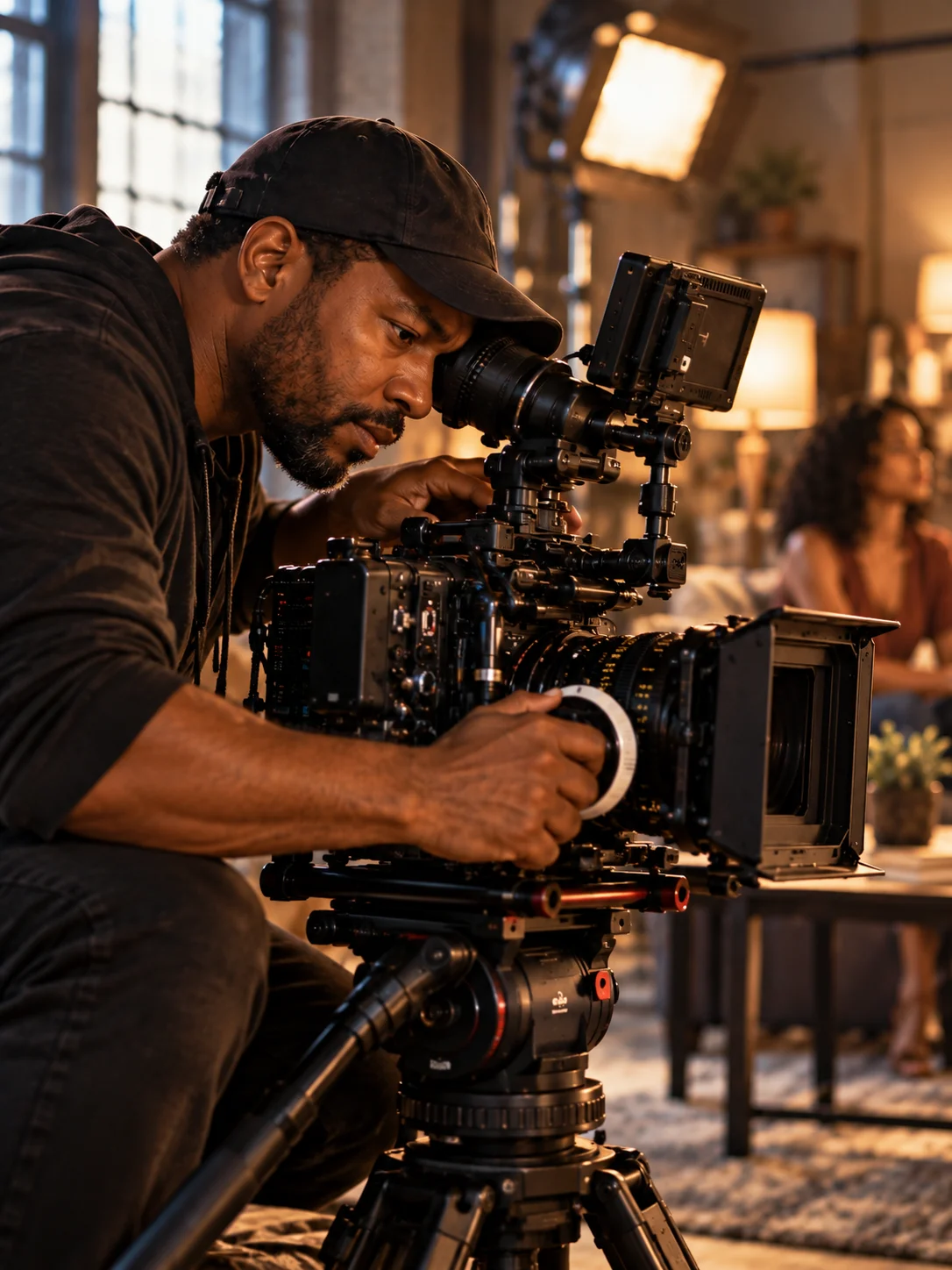
The Low-Budget Approach
We’re living in an era when filmmaking technology has opened doors that were once closed to many independent filmmakers.
Not every filmmaker will have access to a multimillion-dollar budget, and some may never have that opportunity.
For some filmmakers, a small budget may be their permanent reality, but that doesn’t have to limit the quality of their work or their potential to reach a global audience.
Others may deliberately choose to continue working with smaller budgets because they’ve developed a niche audience that appreciates their films.
They can build on that audience, maintain creative independence and continue producing without necessarily pursuing larger budgets.
We’ve seen independent productions achieve international success without the financial resources of major studios.
If you have a compelling story, creative vision and an understanding of the tools available to you, you may already have more of what you need to get started than you realize.
Today, affordable digital cameras, professional editing software, visual effects tools and audio production technology have made it possible to achieve results that once required considerably larger budgets.
Don’t Let the Budget Become the Barrier
Sometimes the biggest obstacle isn’t the budget itself. It’s the belief that you cannot move forward without one.
If you’re constantly waiting for the equipment, the crew or the financial resources you believe you need, you may overlook what you can accomplish with the technology already available to you.
It’s about understanding what’s available, learning how to use it and adapting your vision to the resources you have.
Your first film doesn’t have to be a multimillion-dollar production to become a high-quality production. And it doesn’t have to remain a small production simply because it started with a small budget.
But bringing that vision to the screen means taking on responsibilities that might surprise you.
And that’s where the experience of wearing multiple hats comes into play.
Wearing Multiple Hats
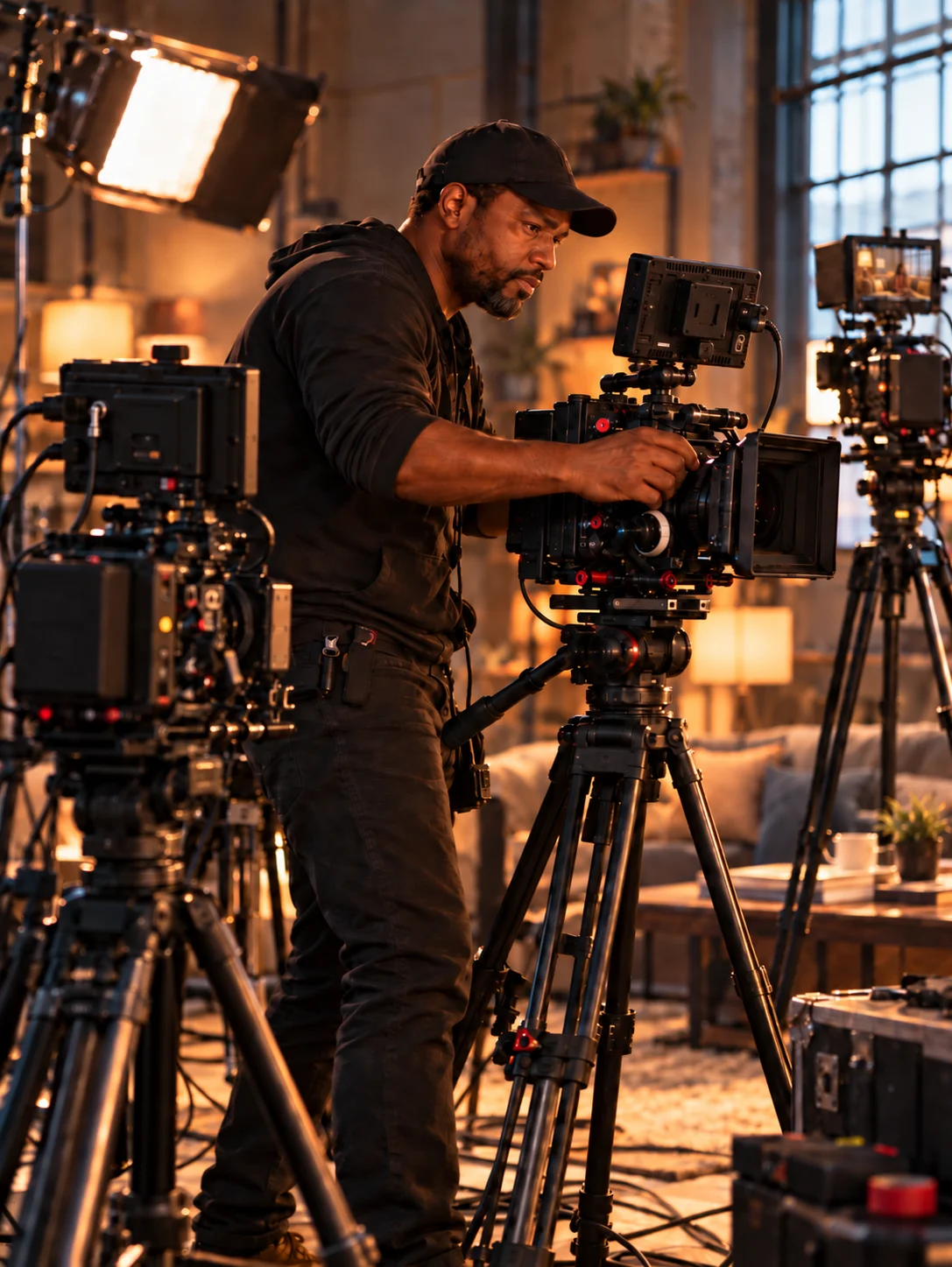
When you’re making a film with little or no budget, you’ll probably find yourself taking on responsibilities that would normally be handled by an entire production crew.
You might be the producer, camera operator, editor, casting director, composer, colorist, sound editor, re-recording mixer and director. You might even be one of the actors.
And each of those responsibilities comes with several duties of its own.
One Filmmaker, Three Cameras
Imagine shooting a scene with three cameras but not having enough crew members to operate them individually.
You might position two cameras at fixed angles, start recording and manually operate the third.
If you’re also acting in the scene, all three cameras may need to be positioned and operated remotely or left recording.
It’s an approach familiar to podcasters and other independent content creators, and it can also work for certain filmmaking situations.
Now imagine applying that same level of multitasking to editing, visual effects, sound design and the final audio mix.
That’s where low-budget filmmaking becomes an education in itself.
You learn to solve problems, manage limited resources and understand the many responsibilities involved in completing a production.
Creative freedom doesn’t eliminate the challenges. Working with fewer resources can mean longer production schedules, additional responsibilities and considerable pressure.
Those experiences can become valuable preparation if you eventually move on to larger productions.
But they can be equally valuable if you choose to remain independent and continue making films with limited resources.
The High-Budget Approach
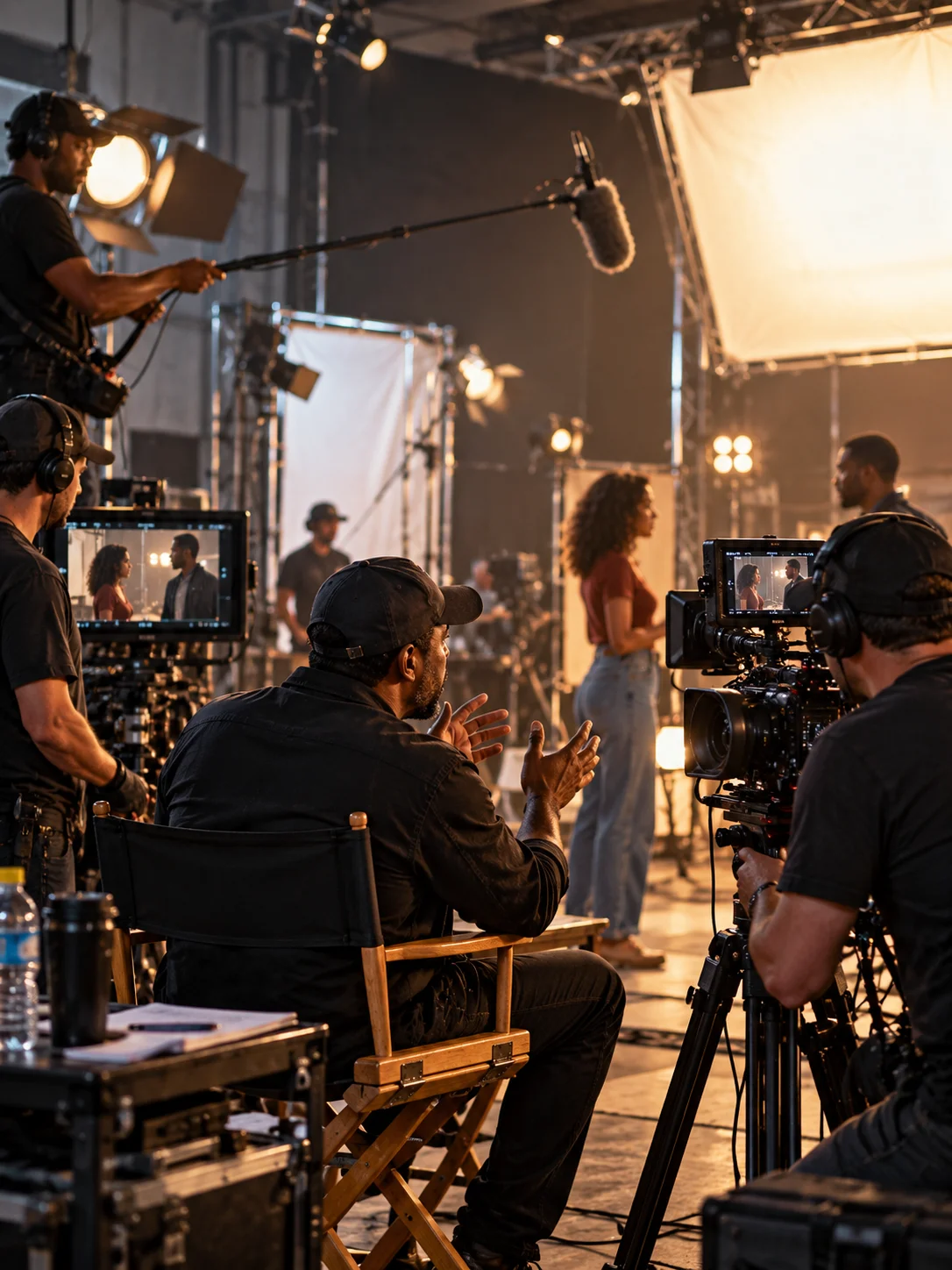
Now imagine having the financial resources to hire experienced professionals for all those responsibilities.
Instead of wearing multiple hats, you can delegate work to dedicated camera operators, editors, sound engineers, composers, visual effects artists and other specialists.
That allows you to concentrate more of your attention on directing and bringing your creative vision to life.
Larger budgets also come with their own challenges. Investors, studios, production schedules and financial expectations can introduce additional responsibilities and creative limitations.
But there’s another important benefit that deserves recognition.
Your vision can create jobs for other people.
Think about all those names you see when the credits roll at the end of a movie. Behind each name is someone who contributed to bringing that production to life.
And the employment opportunities can extend beyond the film crew to local businesses, transportation, catering, accommodations and other services.
That’s an important contribution that larger film productions can make to communities.
The Value of Both
Whether you’re working with a small budget or a large one, filmmaking requires creativity, determination and the ability to overcome challenges.
A smaller budget can teach you resourcefulness and give you greater creative independence. A larger budget can provide specialized talent, additional resources and opportunities to employ others.
For some filmmakers, the journey may lead to bigger productions. For others, continuing to create quality films with smaller budgets and reaching their own audiences may be exactly where they want to be.
Neither approach has to define the limits of your creativity.
And if you’re an aspiring filmmaker waiting for the perfect budget before getting started, consider what you can accomplish with the resources available to you today.
Whether your next production has a bigger budget or you’re continuing to create films with limited resources, your vision still deserves the opportunity to reach the screen.
Because the size of your budget doesn’t have to determine the size of your audience.